Buying a home is already a big decision. Buying one from several hundred miles away, after seeing it mostly through listing photos, video calls and inspection reports, adds a whole different layer.
And yet, it happens all the time. For relocation buyers, waiting until you can physically stand in every house may not be practical. Jobs start. School calendars move on. Leases end. Moving trucks get booked. Sometimes the right home comes on the market before you can get on a plane.
So, is buying sight unseen a terrible idea? Not necessarily. But it does require a different strategy than buying locally.
Listing Photos Are Helpful. They Are Also Very Good at Their Job.
Professional photography is designed to show a home at its best. That’s exactly what it should do. But when you’re buying from another state, it’s important to remember that photos can’t tell you everything. They don’t tell you how loud the road is behind the house. They don’t show how steep the driveway feels in person. They may not give you a great sense of how close the neighboring home actually is. And somehow, that one awkward corner of the backyard occasionally fails to make the photo gallery.
Funny how that happens.
A long-distance buyer needs more than a pretty virtual tour. You need someone willing to show you the parts of the property that aren’t necessarily brochure material.
A Good Virtual Showing Should Feel Nothing Like an HGTV Tour
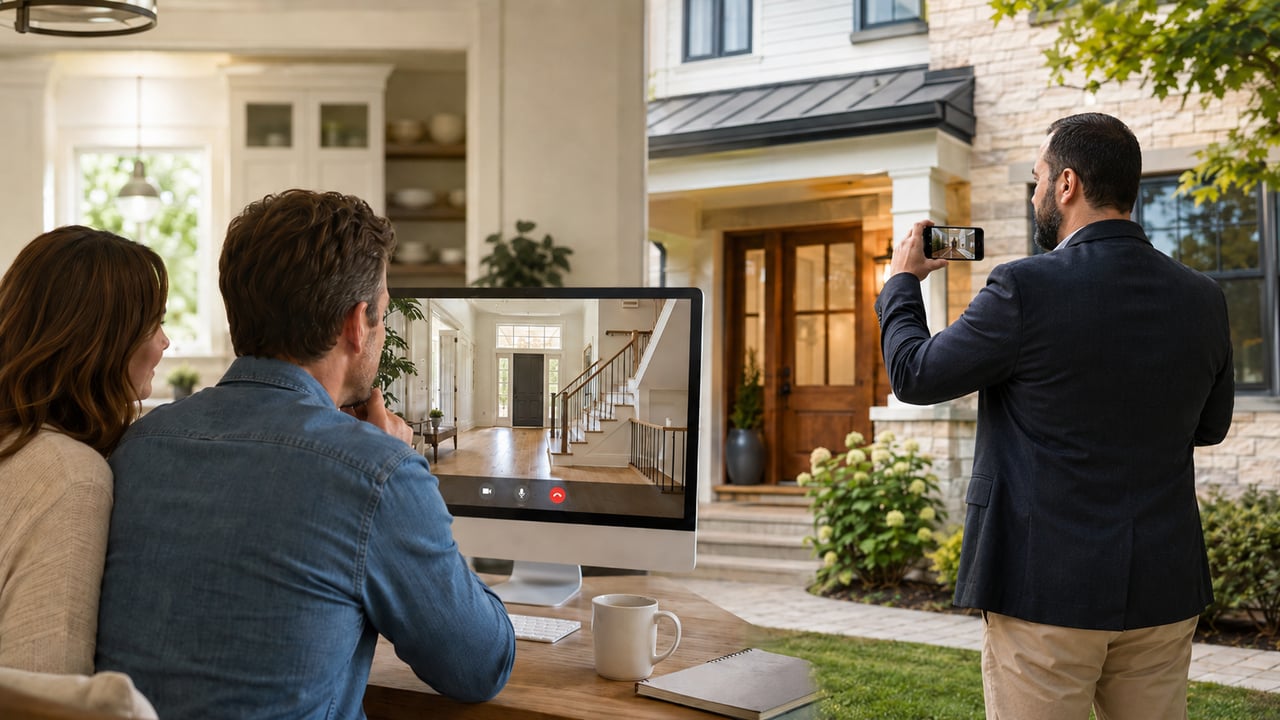
When I’m helping a relocation buyer, I’m not trying to sell them on the house during a video tour. I’m trying to help them understand it. That means showing the street before we walk inside. It means turning the camera around so you can see what’s across the road. It means opening closets, walking the entire lot, showing the view from the windows and paying attention to things that don’t show up in photos.
Is there traffic noise?
Can you hear the HVAC unit from the patio?
Is there an odd smell?
Does that “bonus room” actually feel useful, or is the ceiling six inches above your head?
These things matter. And when you can’t be there yourself, your agent really does become your eyes and ears.
Buying Long Distance Is Not Quite the Same as Buying Locally
A relocation purchase has different logistics, and having an agent who understands those differences can make the process much smoother. With a local buyer, there may be time to casually revisit a property, drive through the neighborhood again or pop back in before making a final decision. With a long-distance buyer, those opportunities may not exist. You may be coordinating travel dates, movers, temporary housing, employment start dates, school schedules and a closing — all at the same time. You may also be making decisions across time zones or trying to review documents while standing in an airport.
That changes the way a transaction needs to be handled. Communication has to be clear. Timing matters more. Questions need to get answered quickly. And the buyer needs an agent who understands that “I’ll take a look next time I’m in town” may not be an option. I’ve worked with many relocation clients over the years, and one of the biggest things I’ve learned is that long-distance buyers need more information, not less. The goal is to eliminate as many surprises as possible before they arrive with a moving truck.
Inspections Matter Even More When You Haven’t Seen the House Yourself
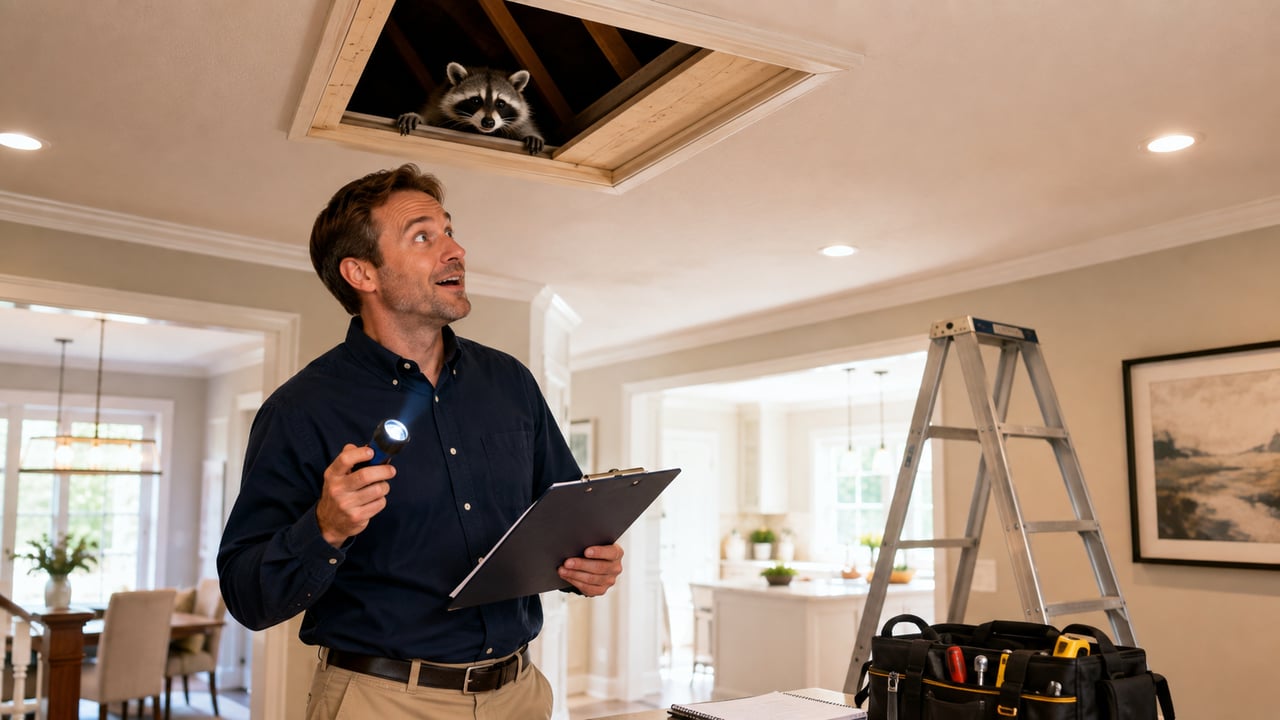
When you’ve walked through a home in person, you naturally absorb little details. You notice the worn flooring near the back door. You see the crack in the garage wall. You realize one bedroom is much smaller than it looked online. When you’re buying remotely, you don’t have that first-hand experience to fall back on. That makes the inspection process especially important. A good inspection can help identify issues with major systems and components, but relocation buyers should also be prepared to ask follow-up questions and request additional photos or videos when something is unclear. If the inspector says, “There is some evidence of moisture in the crawlspace,” that is probably not the moment to respond, “Sounds good!”
Ask questions! Lots of them!
The Neighborhood Deserves a Showing Too
Even if this is primarily a real estate decision, the property does not exist in a vacuum. When I’m working with a relocation buyer, I want them to understand not just the house, but what is immediately around it.
How close are the neighboring homes?
What does the street look like?
Is the property on a corner?
Does the backyard back up to another subdivision, woods, a road or something else entirely?
Is there construction nearby?
These are basic real estate considerations, but they matter even more when you can’t stand there and look around for yourself. A house can be exactly what you expected and still be in a setting you didn’t expect at all.
The Right Agent Should Be Willing to Tell You “No”
This may be one of the biggest differences between a good relocation experience and a bad one. If you’re buying remotely, you need an agent who is comfortable telling you when a house does not live up to the photos.
Sometimes that means saying:
“The kitchen is beautiful, but the backyard is much smaller than it appears online.”
Or:
“I know you like this one, but I think the road noise would bother you.”
Or even:
“I don’t think I’d recommend flying in for this one.”
That is part of the job. Relocation buyers are relying heavily on the information they receive from the person standing in the house. That relationship requires trust, and trust means being willing to point out the negatives — not just the positives.
So, Would I Recommend Buying a House Sight Unseen?
Sometimes, yes.
I’ve helped plenty of buyers successfully purchase homes while relocating from another state. With good communication, thorough virtual showings, careful inspections and a clear understanding of the property, it can absolutely work. But I would never treat it like a normal transaction with a camera added. Long-distance buying requires more planning, more communication and more attention to the things a buyer would normally notice for themselves. The goal isn’t to make buying sight unseen feel completely risk-free. No real estate transaction is. The goal is to make sure that when you finally unlock the front door in person, your first thought is:
“Yep. This is exactly what I expected.”
Not:
“Wait… was that highway in the listing photos?”
That distinction matters. And if you’re relocating, having an agent who understands the particular challenges of a long-distance move can make all the difference.